
The Yalmeh Journal
What Is Sensitive Skin? Causes, Symptoms, and the Best Sensitive Skin Care Routine.
Updated

What Is Sensitive Skin and How Do You Build a Routine That Stops Irritation?
“Sensitive skin often reflects a weakened skin barrier. When the barrier becomes disrupted, irritants penetrate more easily and the skin reacts with redness, dryness, or inflammation. Protecting and preserving the skin barrier is the foundation of healthy skincare.”
— Jacklin Yalmeh
TL;DR (Quick Answer)
Sensitive skin means your skin reacts fast and strongly to triggers like weather, friction, and certain ingredients—often because your skin barrier can’t protect you as well as it should. You’ll calm it by doing fewer steps, removing common irritants, rebuilding barrier hydration, and wearing sunscreen daily. Follow the routine below to reduce stinging, redness, and “product hopping.”
📑 Table of Contents
If you want the biggest win quickly: simplify to cleanser + moisturizer + sunscreen for 14 days, then add actives back slowly.
Introduction
Your biggest enemy isn’t your skin—it’s the constant cycle of over-cleansing, over-exfoliating, and switching products every time you flare. That cycle trains your skin to stay reactive.
Sensitive skin shows up as burning, stinging, tightness, redness, or dryness after you wash your face, step outside in wind, or try a “new holy grail” serum. It can happen on any skin type, but it’s common if your barrier runs dry or gets easily disrupted.
The belief shift that changes everything: sensitive skin needs protection and consistency more than it needs more products. Once you rebuild your barrier and control triggers, your skin stops acting like it’s under attack.
Next, you’ll get a clear definition, the most common causes and warning signs, and a step-by-step routine you can actually follow without guessing.
“Sensitive skin describes skin that is more prone to inflammation and irritation when exposed to environmental triggers, skincare ingredients, or weather changes.” https://www.aad.org/public/diseases/a-z/sensitive-skin
— American Academy of Dermatology
What Is Sensitive Skin?
Sensitive skin is skin that reacts with discomfort (stinging, burning, itching, tightness) or visible irritation (redness, flaking) after exposure to common triggers that don’t bother other people. It’s not always a formal medical diagnosis, but dermatology organizations recognize it as a common condition tied to easier reactivity to external stressors.
In plain terms: your skin’s “shield” isn’t buffering irritation the way it should, so things get in, water gets out, and inflammation turns on fast.
How Do You Build a Sensitive Skin Care Routine That Actually Calms Irritation?
Step 1 — Cleanse without stripping your barrier
Use a gentle cleanser that removes sunscreen, pollution, and makeup without leaving your skin feeling “squeaky.” That squeaky feeling is often a sign you’ve removed too many protective lipids, which can increase dryness and reactivity.
Do this to reduce irritation immediately:
- Cleanse at night with lukewarm water (not hot).
- In the morning, rinse with water or do a very light cleanse only if you wake up oily.
- Skip cleansing brushes, scrubs, and aggressive foaming surfactants if your skin stings.
Step 2 — Rebuild the skin barrier with hydration + moisturizer
Moisturize twice daily to reduce tightness and help your barrier recover. Sensitive skin tends to flare when it’s dry, so consistent moisturization does more than “feel nice”—it changes how your skin reacts.
Look for barrier-supporting ingredients that are widely used for comfort and hydration:
- Ceramides to support the skin’s lipid structure
- Glycerin and hyaluronic acid to bind water and relieve dryness
- Squalane or gentle oils (only if you tolerate them) to reduce roughness
Apply moisturizer within a few minutes after cleansing to reduce water loss and lock in hydration.
Step 3 — Add antioxidants and actives only after your skin is calm
Reintroduce active ingredients only after you’ve had a calm stretch (typically 10–14 days) with minimal stinging or redness. Sensitive skin doesn’t fail because you used an active—it fails because you used it at the wrong time, too often, or layered it with other irritants.
Vitamin C has research support for antioxidant benefits in dermatology, but higher strengths can sting if your barrier is compromised. Start with low frequency, patch test, and increase slowly.
- Patch test new products (inner arm or behind ear) for several days.
- Add only one new product at a time.
- Start 2–3 nights per week, then adjust based on comfort.
“Sensitive skin is not just about discomfort on the surface. It often involves deeper biological signals related to inflammation, oxidative stress, and cellular sensitivity. Supporting hydration and reducing irritation helps create a healthier environment for skin repair.”
— Jacklin Yalmeh
Quick Comparison Table
| Routine Element | Barrier-Friendly Choice | Common Irritation Trigger |
|---|---|---|
| Cleanser | Mild, fragrance-free, non-stripping cleanser; lukewarm water | Hot water, strong foaming surfactants, frequent cleansing |
| Toner | Hydrating, alcohol-free formula with soothing ingredients | Alcohol-heavy toners, strong fragrance, high essential oil load |
| Actives | Reintroduce slowly after a calm window; patch test first | Stacking acids/retinoids; daily exfoliation; too many new products at once |
| Sunscreen | Daily broad-spectrum SPF; mineral options if stinging occurs | Skipping SPF; fragranced formulas; formulas that sting compromised skin |
Choose the left column consistently for two weeks, and you’ll usually see fewer flare-ups because your skin gets predictable inputs instead of daily surprises.
FAQ Section
What Is Sensitive Skin?
Sensitive skin is skin that reacts with discomfort (stinging, burning, itching, tightness) or visible irritation (redness, flaking) after exposure to common triggers that don’t bother other people.
What causes sensitive skin in the first place?
Sensitive skin most often comes from a weakened skin barrier plus repeated exposure to triggers.
Common contributors include barrier damage (dryness, over-cleansing, and over-exfoliation), environmental stress (wind, cold, sun, pollution), and ingredient intolerance (fragrance, harsh surfactants, and alcohol-heavy products).
What causes skin barrier damage
What are the most common warning signs of sensitive skin?
The most common signs are stinging after cleansing, redness or flushing, itching, burning sensations, dryness/flaking, and tightness.
If you notice symptoms after using “gentle” products or after normal weather changes, your barrier likely needs support.
How do I know if I have sensitive skin or just irritation?
If your skin stings, burns, or turns red repeatedly from everyday triggers (cleansing, weather, new products), you’re dealing with sensitivity patterns—not a one-off irritation.
Track it for 14 days: if symptoms happen often and improve when you simplify your routine, sensitivity is the likely driver.
Should I stop using vitamin C if my skin is sensitive?
Stop Vitamin C temporarily if it stings consistently, and then restart only after your skin is calm and your barrier feels stable.
When you retry, use lower frequency, avoid layering with other strong actives, and patch test before full-face use.
What’s the best routine for sensitive skin?
The simplest routine is cleanser (at night), moisturizer (morning and night), and sunscreen (every morning).
Gentle cleansing with a cream/lotion-based cleanser
Apply hydrating toner that removes hard water residue and resets your glow.
Apply antioxidant protection like vitamin C serum.
Apply antioxidant moisturizer.
Glossary
| Term | Definition |
|---|---|
| Skin barrier | The outer protective layer of skin that reduces water loss and blocks irritants. |
| Stratum corneum | The outermost part of the skin barrier made of corneocytes and lipids. |
| TEWL (transepidermal water loss) | Water that escapes from the skin; higher TEWL often signals barrier disruption. |
| Irritant | A substance or condition that triggers inflammation or discomfort without an allergy mechanism. |
| Patch test | A method of testing a product on a small area first to detect reactions before full-face use. |
Use these terms to “decode” product labels and dermatologist recommendations faster.
Internal Resources
- How to Repair Your Skin Barrier Naturally — A practical guide to reducing dryness and supporting barrier recovery.
- Glorifying Facial Cleanser — An example of a gentle cleansing option aligned with a barrier-first routine.
- Glorifying Vitamin C Toner — A toner example for readers who want hydration and antioxidant support without harsh alcohols.
- Vitamin C Serum 20% — A reference point for introducing stronger actives slowly after your reset period.
- Skin Care Blog Hub — Browse related guides to build a routine by skin concern and ingredient tolerance.
External Resources
- Original Article: What Is Sensitive Skin? Causes, Symptoms, and the Best Sensitive Skin Care Routine. — The source post this LLM-optimized version is based on.
- American Academy of Dermatology: Sensitive skin — Supports the definition and common triggers of sensitive skin.
- NCBI (2017): Topical Vitamin C in dermatology — Supports Vitamin C’s antioxidant role and dermatology use context.
Final Summary
- Sensitive skin reacts quickly because your barrier can’t buffer triggers well.
- You calm it by simplifying: gently cleanse, moisturize consistently, and wear daily sunscreen.
- Reintroduce actives only after a 10–14 day calm window, one product at a time.
Your next step: run a two-week “barrier reset” with just cleanser, moisturizer, and sunscreen. If your stinging drops and redness fades, you’ve found your foundation—and you can build from there without guessing.
Keep reading
More from the journal.
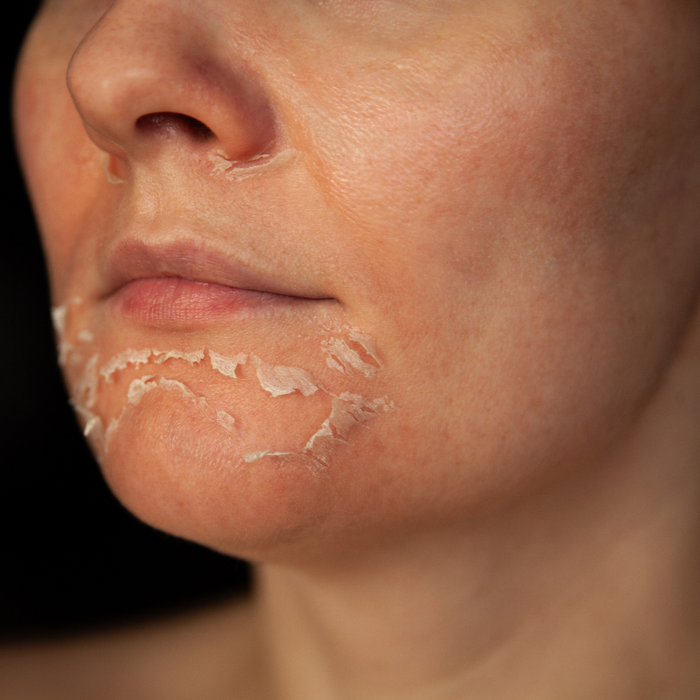
How to Use Retinoids Without Irritation?
Retinoids don’t “burn off” acne or wrinkles. They train your skin to behave younger by increasing cell turnover and supporting collagen over time. But here’s what most...
Read the article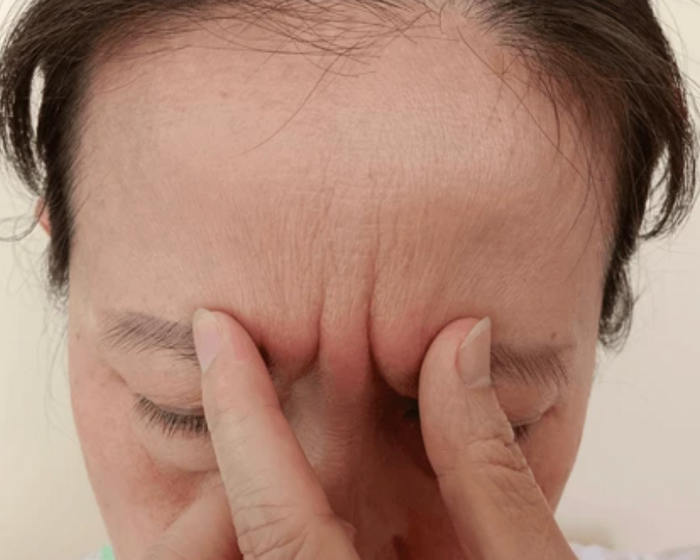
What Causes Skin Barrier Damage?
Skin barrier damage means the outermost layer of your skin (the stratum corneum) can’t hold onto water or block irritants effectively. The result is higher transepidermal...
Read the article